

Cervical Cancer Awareness Month: Importance of Prevention
January is traditionally recognized as Cervical Cancer Awareness Month, aimed at highlighting the importance of preventive measures and timely diagnosis for women.
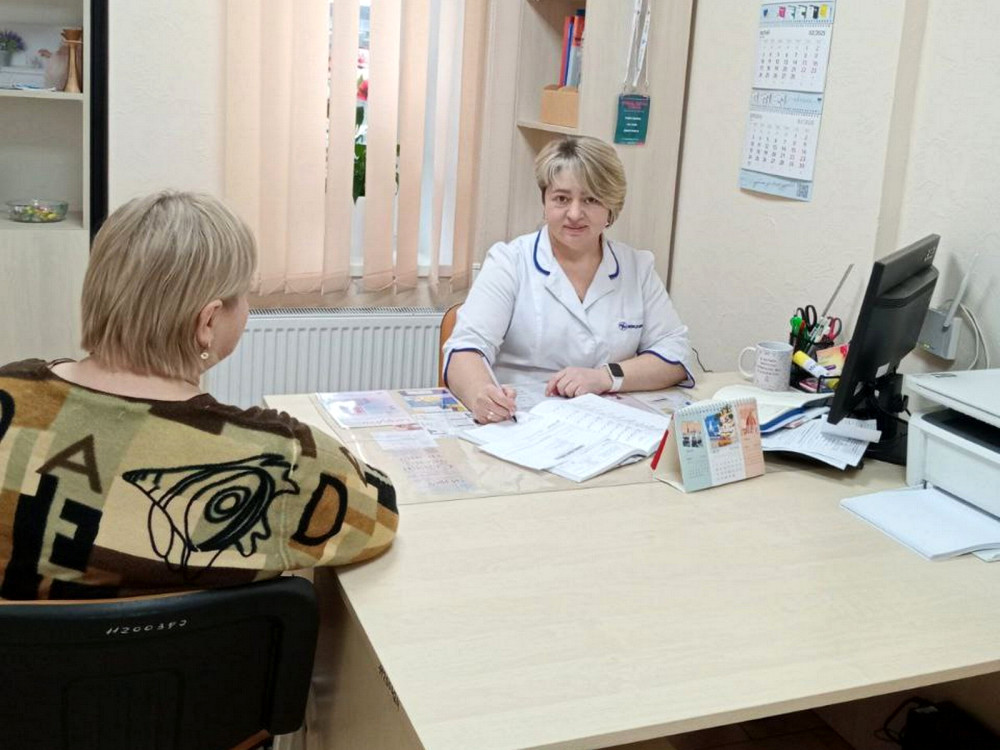
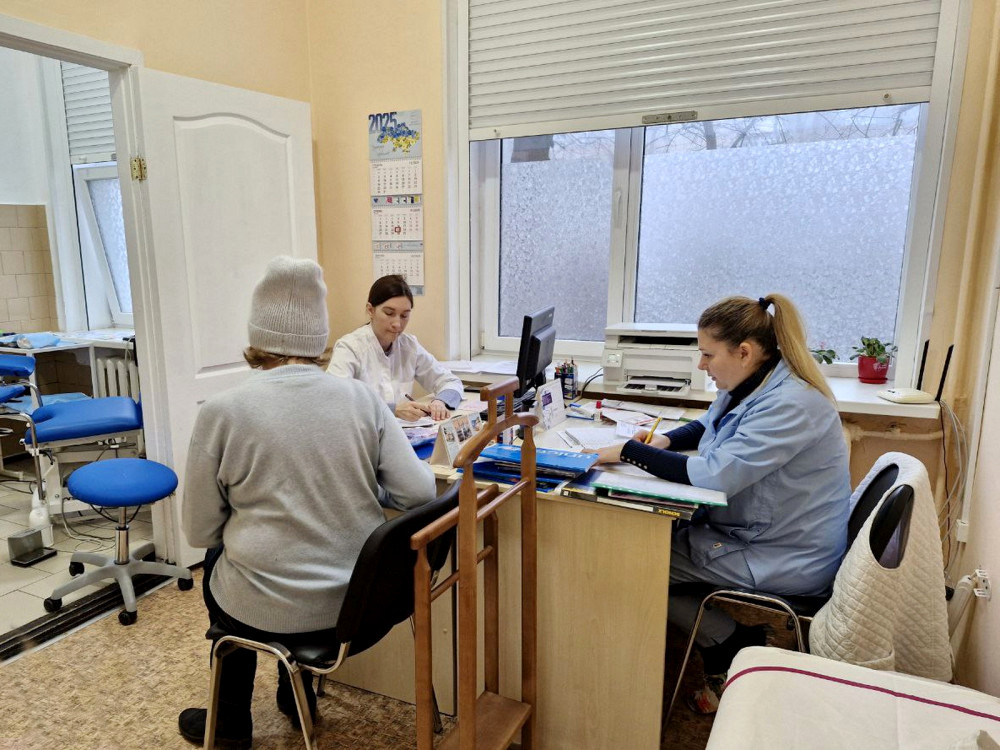
Last week, in support of women's health, the Department of Health of the Odessa City Council organized a Cervical Cancer Prevention Day at medical facilities across the city. Women were able to undergo free gynecological examinations and receive medical consultations.
As a result of the event, 655 women underwent preventive examinations, with 495 receiving cytological tests. During these examinations, 223 cases of reproductive system disorders were identified, including 12 suspected cases of cancer. Patients were referred for further examination and consultation with specialists.
Cytological studies revealed 365 cases of inflammatory diseases and 66 cases of cervical dysplasia of varying degrees, two cases of cancer, and one case of pre-cancerous conditions.
* * * * *
Cervical cancer is among the most aggressive forms of oncology, but it can be prevented through vaccination against the human papillomavirus (HPV) and regular check-ups.
Risk factors for cervical cancer include:
1. Medical: presence of HPV, HIV/AIDS, sexually transmitted infections, treatment of dysplasia, family history of cervical cancer.
2. Behavioral and social: early sexual activity, early pregnancy, smoking, prolonged stress, violence, and working conditions with carcinogens.
Starting January 1, 2025, Ukraine will implement a comprehensive prevention and early diagnosis system for cervical cancer based on modern scientific approaches. Screening is included in the list of medical services provided by primary health care providers.
Primary prevention involves screening every five years to identify symptoms and risk factors among women aged 21–35 during visits to family doctors or gynecologists, including telemedicine options. If risk factors are identified, the woman will be referred for examinations (Pap test or PCR).
Secondary prevention includes mandatory Pap testing or PCR:
- for women aged 30–35 — once every 10 years;
- for women aged 25 and older living with HIV/AIDS — once every five years;
- for women aged 21-35 with risk factors — immediately.
In cases of positive test results, patients are referred to oncologists for further diagnosis.
According to the Center for Public Health of Ukraine, 99% of cervical cancer cases are caused by HPV. The disease can be effectively prevented through vaccination, which is most effective during adolescence.
In Odessa, an innovative program has been launched to vaccinate girls and boys aged 9-14 against HPV funded by the city budget. This vaccination provides lifelong protection against oncological and other reproductive system diseases. For consultation and to schedule vaccinations, individuals should contact their pediatrician at the local children's clinic.